When you're on duty, working outdoors, or on a winter hike, your feet can get cold even in warm boots. To understand why feet get cold, check whether your socks are dry, whether your footwear is too tight, and how long you've been standing still. Insulation alone often isn't enough, because moisture and a tight fit reduce how well it works. These factors also determine what to do when your feet get cold: change your socks, loosen your laces, or get somewhere warm.
Why feet get cold in the cold season
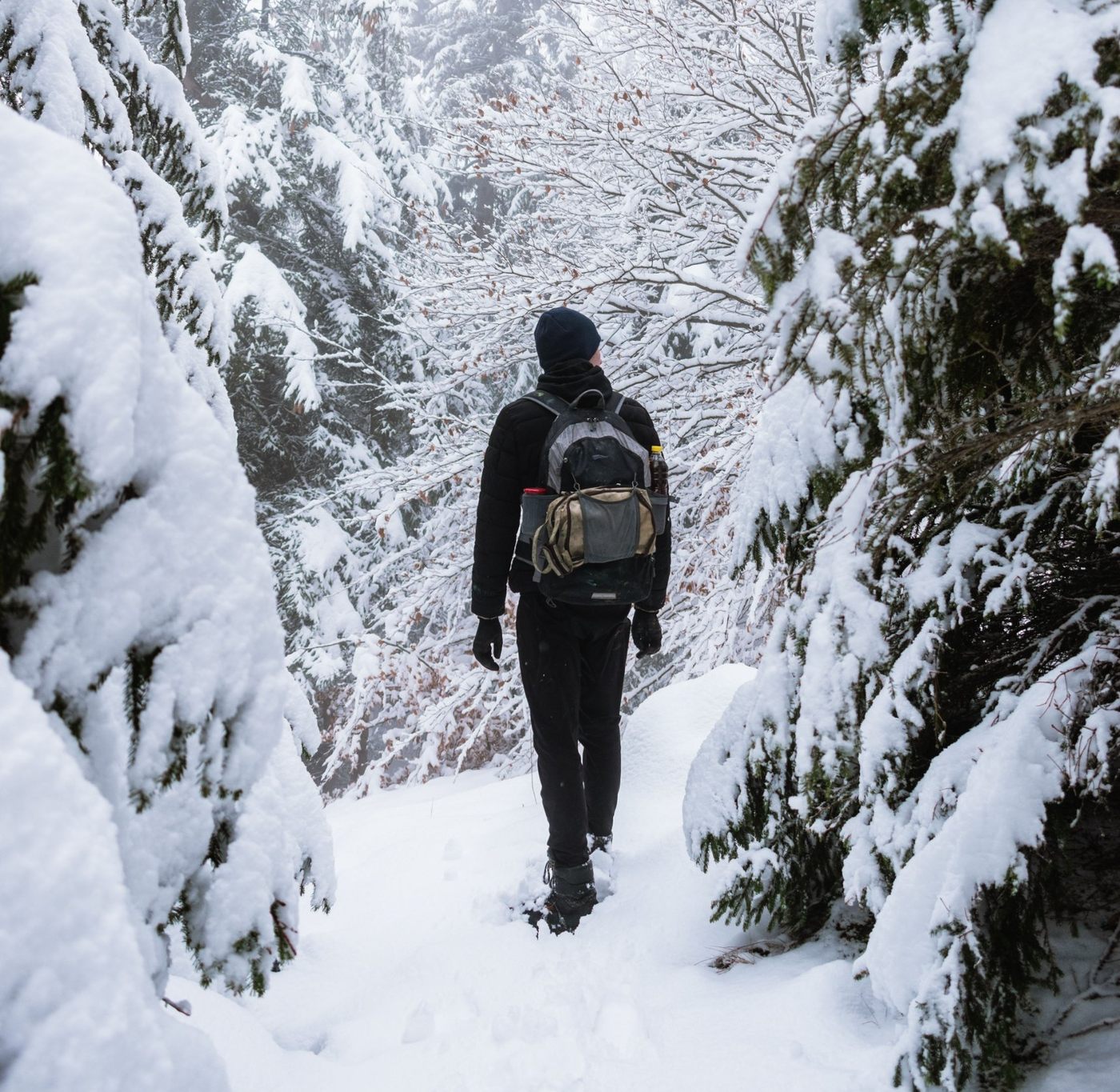
Feet cool down faster than the torso. They have no large muscles that generate a lot of heat, and they lose heat through the soles to cold surfaces. In low temperatures, the body constricts the blood vessels in the limbs to keep heat for the internal organs.
That's why it's worth figuring out what causes cold feet in your case: the cold itself, moisture, staying still for a long time, or tight footwear.
Low temperatures and staying still for a long time
Walking makes your muscles produce more heat. When you stop, heat loss continues while less heat is produced. That's why the same boots can feel comfortable on the move and cold during a long rest stop.
In an unheated room, your feet lose heat to the floor through the soles of your shoes, even when there's no draft. This explains why feet get cold in a cold room.
Moisture inside footwear
Water conducts heat better than air, so wet fabric protects against the cold less effectively. Socks get wet both from snow or puddles and from sweat that builds up inside your footwear.
To keep your feet dry, check your socks after brisk walking. If they're damp, change them when you can; otherwise the moisture will soak into the lining and insole.
Tight footwear and poor insulation
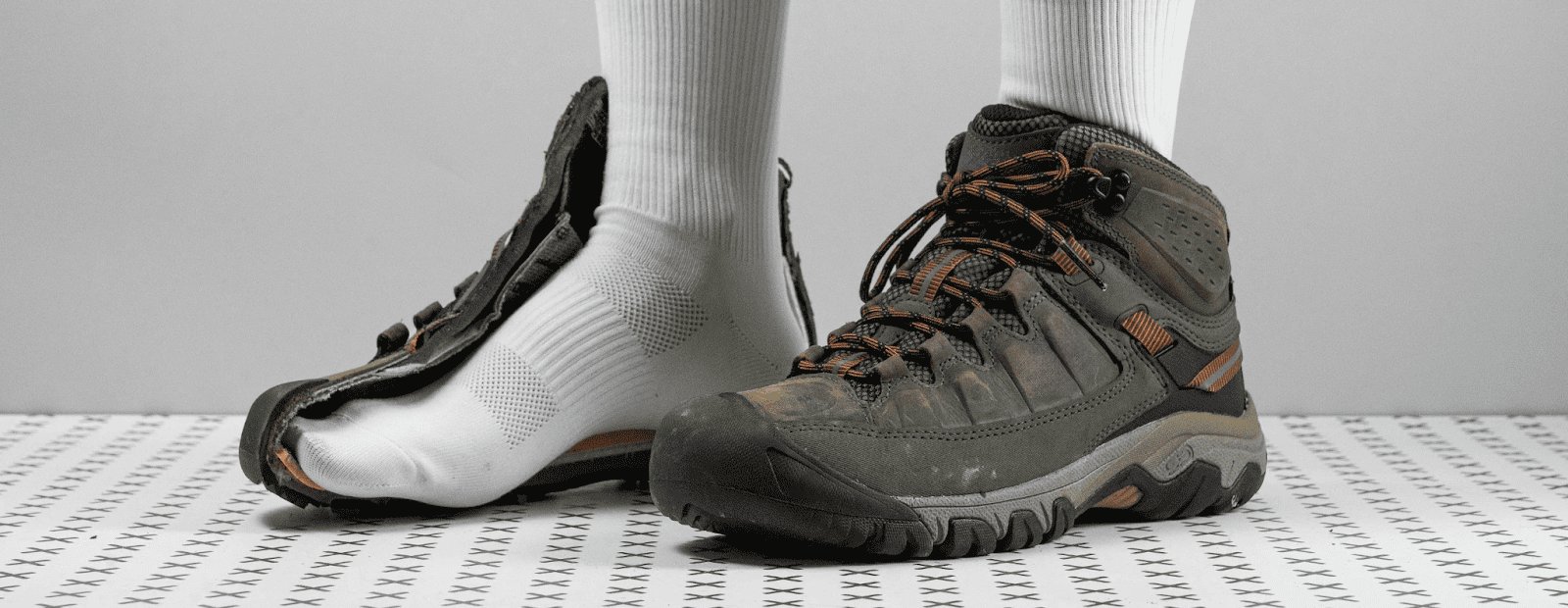
Socks and footwear protect against the cold thanks to air, which is a poor conductor of heat. Air gets trapped between the fabric fibers, in the insulation, and in the gap between the sock and the walls of the boot, forming an insulating layer. Tight footwear compresses these layers, so the air is pushed out and heat from your foot passes more quickly to the outer surface and sole of the shoe. On top of that, poorly fitting footwear squeezes the foot: your toes have less room to move, and blood vessels carry less warm blood, so your feet get cold even in a well-insulated pair.
Try on footwear with the socks you'll wear in winter. Your toes should move freely, and your heel shouldn't slip.
To find out why feet get cold in your specific case, check the sole insulation as well. A warm upper won't make up for weak protection underneath when you stand on snow or a cold floor for a long time.
Why feet sweat and get cold at the same time
If you have sweaty and cold feet, the cause may be footwear that is too warm or socks chosen without considering your activity level. As you move, your feet warm up and sweat, so your socks get damp. If you then stay still for a long time after exertion, your body produces less heat, and the damp fabric protects your feet from the cold less effectively.
Your feet can start sweating before you even head out if you put your boots on early and spend a long time getting ready in a warm room. So put your footwear on at the very end. For active movement, choose socks that combine insulation with wicking moisture away from the skin.
Why feet can get cold even in warm footwear
Winter footwear only retains the heat your body produces. If your feet are cold even in warm boots, something is keeping the boots from doing their job. To figure out which shoes make your feet colder, check your pair for these issues:
- a lining that hasn't dried out;
- poor breathability;
- an improper fit;
- insufficient insulation or a damp insole;
- footwear that doesn't match your activity level.
Adjust your laces so that your heel stays in place, your instep isn't squeezed, and blood flows freely to your toes. If the boot still pinches with the laces loosened, check its size and width.
Take out removable insoles after wear and dry them separately. Also check the lining in the toe area: a dry upper doesn't mean the boot is dry inside. Follow the manufacturer's drying recommendations, and don't place footwear right up against a heater.
Which socks help keep your feet warm
Choose winter socks based on your footwear and activity level. When you walk fast, moisture wicking matters most. If you stay still in the cold for a long time, pay more attention to insulation. On patrol or on a hike with rest stops, your socks need to combine both properties. Look for the following features:
Choose your size based on your foot length and the size chart for the specific model. A pair that's too big can bunch up, while one that's too small can squeeze the foot too tightly.
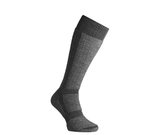
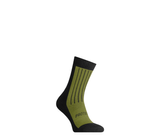
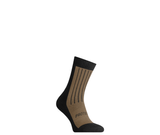
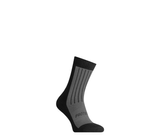
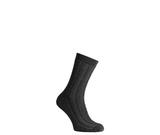
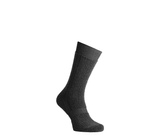
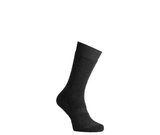
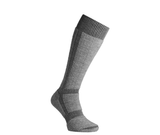
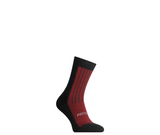
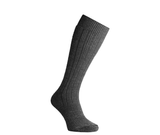
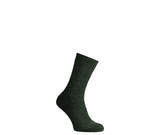
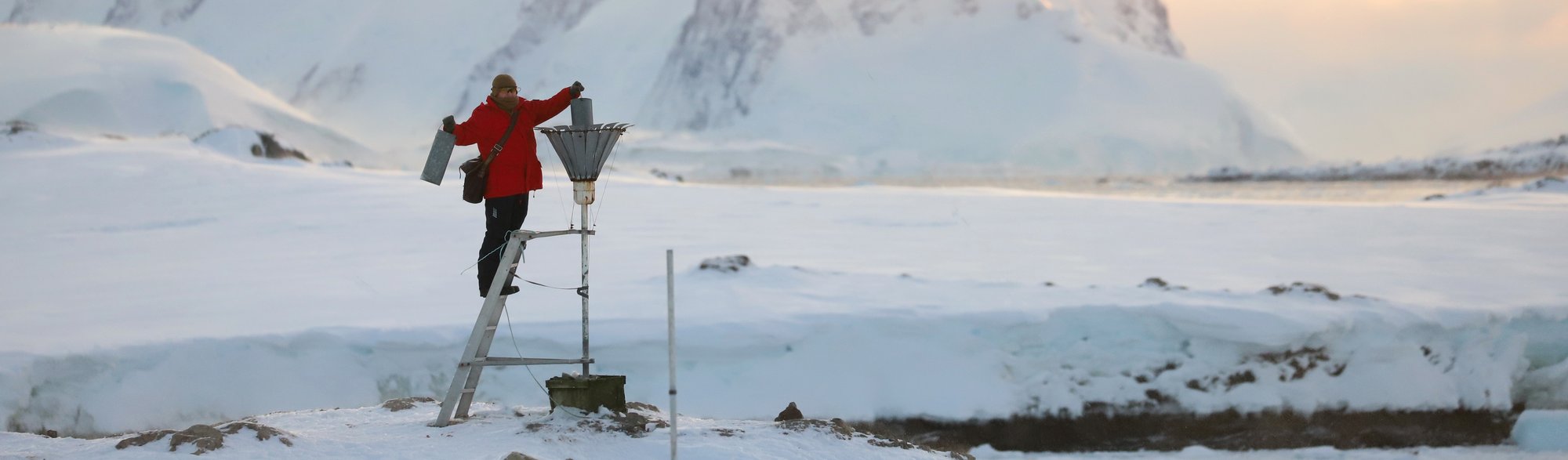
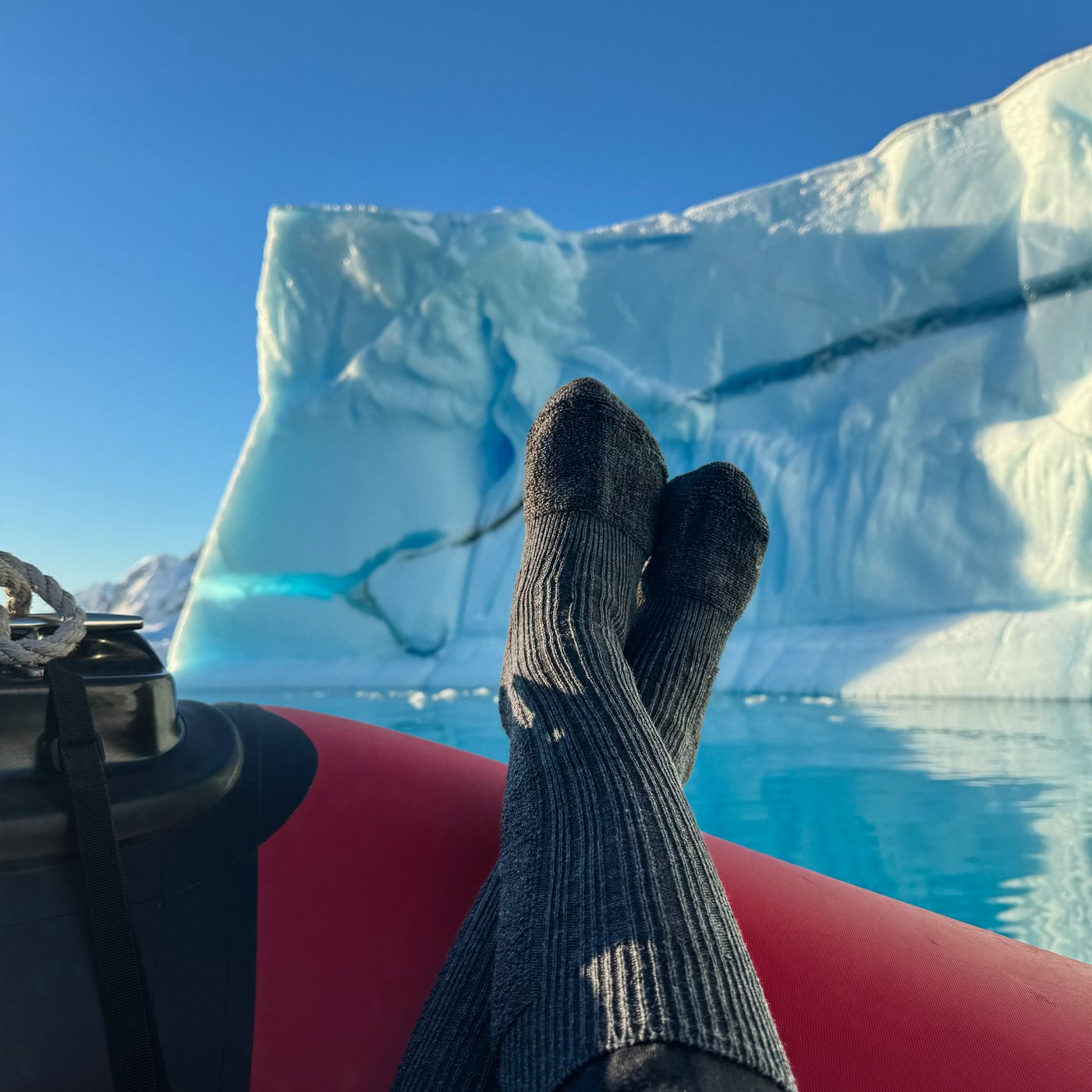
Functional PROTECTOR® thermal socks from the TEPMO°C® Collection are designed for cold conditions. They combine terry knit, merino wool, special synthetic fibers, and extra Achilles tendon insulation. Socks from the TEPMO°C® Collection are part of the gear issued to Ukrainian polar explorers for expeditions to the “Akademik Vernadsky” Antarctic Station.
Why thicker socks aren't always warmer
When you have very cold feet, it's tempting to pull on your thickest pair, or even two pairs at once. But a thicker sock or a second layer takes up more space, and a boot that used to fit comfortably starts to pinch. You then run into the same problems as with tight footwear: the sock gets flattened, and the foot ends up squeezed. So consider not just the thickness of the pair, but also how much room there is in the boot: your socks should fit inside it without being cramped.
Cold feet – how to warm up faster
Not sure what to do for cold feet when you need to warm up fast? If you can, go indoors somewhere warm. Check whether your socks have gotten wet and whether your footwear is too tight.
If you're staying outside:
- keep moving at a moderate pace: walk or roll from heel to toe without working up a heavy sweat;
- wiggle your toes inside your boots;
- loosen your laces if they press on your instep;
- change wet socks for dry ones only where your feet are sheltered from the cold and wind.
Indoors, take off your damp footwear and socks, dry your feet thoroughly, and put on a dry pair. Warm up gradually. Don't use hot water or put your feet right up against a heater: with reduced skin sensitivity, it's easy to get burned.
If you notice numbness, severe pain, or changes in skin color, don't try to warm your feet up with intense exercise. Seek medical help.
How to stop your feet from getting cold in winter
Before you head out into the cold, think through how to keep feet warm in winter. Check your footwear and pack a spare pair of socks so you don't spend the rest of the day in damp ones.
For long periods in the cold:
- make sure your winter socks fit in new footwear;
- dry your boots and insoles after every use;
- choose insulation based on how much you'll move and how long you'll stop;
- put on your footwear right before going outside so your feet don't overheat indoors;
- keep spare socks in a sealed bag;
- shift your position regularly and take breaks somewhere warm when conditions allow.
If your footwear doesn't have time to dry between shifts, alternate between two pairs when possible.
Dry socks and well-fitted footwear help you stay warm longer, even during extended time in the cold.
When freezing feet aren't just about the weather
If you have freezing feet even in a warm room, in dry socks and footwear that doesn't pinch, don't keep adding layers of insulation. See a doctor if the cold sensation keeps coming back regardless of temperature or comes with pain, numbness, or changes in skin color.